%2Ffit-in%2F250x250%2Fguide_websites%2F1395%2Fimages%2Fjaybonnerlogo.png&w=1920&q=100)
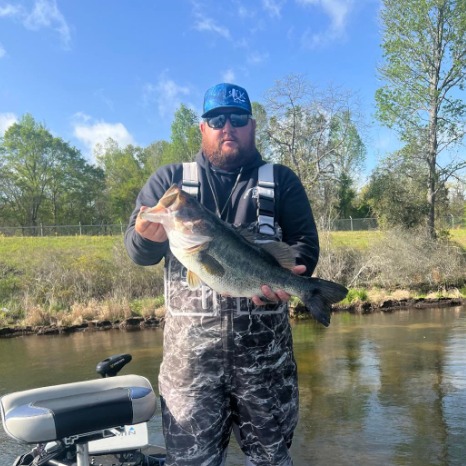
Large Bass Caught Fishing in Emory TX
Bass Fishing in Emory - What to Expect
%2F%2Fusers%2Fc709b03b-13e4-4eb9-b2f2-8926f35b605e%2Fimages%2Fbass-catch-emory-texas-fishing-2777.jpg&w=1920&q=75)
Fishing Guide by Guide Jay Bonner in June
Meet your Guide Jay Bonner
- Fish with an expert now-It's all about that Bass!


Summary
Discover bass fishing on Lake Fork near Emory, Texas with Jay Bonner, a dedicated fishing guide offering personalized guided trips. On Friday, June 26, anglers can target largemouth bass in this premier fishing destination, learning techniques that work in Texas waters and understanding what makes this location productive year-round.
Bass Fishing with Jay Bonner - Rates & Booking
Jay Bonner of Jay Bonner Lake Fork Guide Service offers professional fishing guide services on Friday, June 26, providing anglers with expert knowledge of bass fishing on Lake Fork near Emory. As a dedicated fishing guide, Jay brings years of local expertise to help you understand bass behavior, water conditions, and the most effective techniques for this productive Texas fishery. Whether you're a beginner learning the fundamentals or an experienced angler refining your skills, guided fishing trips are designed to maximize your success and enjoyment on the water.
To book your fishing guide trip or learn more about rates and availability, contact Jay Bonner Lake Fork Guide Service directly. Professional guidance ensures you get personalized instruction, access to productive fishing spots, and the expertise needed to land quality bass. Guided trips provide the advantage of learning from someone who understands the lake's seasonal patterns and current conditions.
Highlights of Bass Fishing on Lake Fork
Lake Fork has earned a reputation as one of Texas's premier bass fishing destinations, and for good reason. The clear water and diverse structure provide excellent habitat for largemouth bass, offering anglers multiple techniques and locations to explore throughout a fishing day. Whether you're working shallow cover near the shoreline or probing deeper structure, the lake's natural features support consistent fishing opportunities.
The experience of pursuing trophy-class bass on Lake Fork combines the thrill of connecting with powerful fish and the satisfaction of learning productive fishing strategies. Each cast presents an opportunity to understand how bass respond to different lures, presentations, and environmental conditions. This hands-on learning approach is what separates a guided fishing experience from simply spending time on the water.
Local Species Insights: Largemouth Bass on Lake Fork
Largemouth bass in Lake Fork exhibit the natural behaviors and feeding patterns that make them one of North America's most sought-after freshwater gamefish. These powerful predators relate to specific environmental features, and understanding where and why they position themselves is fundamental to consistent success. Bass use cover and structure to ambush prey, hide from larger predators, and conserve energy in current flows and light conditions.
Lake Fork's clear water means bass can see a wider range of lures and presentations, requiring anglers to think critically about color selection, retrieve speed, and depth control. The lake's fertile ecosystem supports abundant baitfish, which influences bass feeding behavior and size potential. Throughout the year, bass migration patterns shift based on water temperature and seasonal prey movements. In warmer months, they may position in deeper water or shaded areas during midday heat. During cooler periods, they follow baitfish movements and concentrate in more predictable zones.
Understanding largemouth bass habitat preferences helps explain why certain areas of Lake Fork produce more consistently. Bass relate to cover such as submerged timber, rocky points, weed edges, and man-made structures. They use these features as hunting grounds and rest areas. A knowledgeable guide helps you interpret the lake's structure, identify high-probability areas, and adapt your technique based on real-time observations. This knowledge transfer is invaluable for improving your long-term bass fishing skills.
Working with a fishing guide allows you to observe how bass respond to different water conditions, weather patterns, and presentation styles. You'll learn why certain techniques work during specific seasons and how to adjust your approach when conditions change. This educational aspect transforms a fishing trip into a learning experience where skills develop through guided practice and expert instruction.